The Half Price Program addresses these
https://grok.com/share/c2hhcmQtMg_484630f9-8655-47b7-be2d-4b71f2554211
The PricewaterhouseCoopers (PwC) Nigeria Economic Outlook 2026, titled “Turning Macroeconomic Stability into Sustainable Growth,” offers a detailed analysis of Nigeria’s economic trajectory, emphasizing the transition from recent stabilization efforts to long-term growth. This report examines key macroeconomic indicators, emerging trends, potential risks, and strategic opportunities, drawing on current policy reforms and global influences. 27
Economic Projections
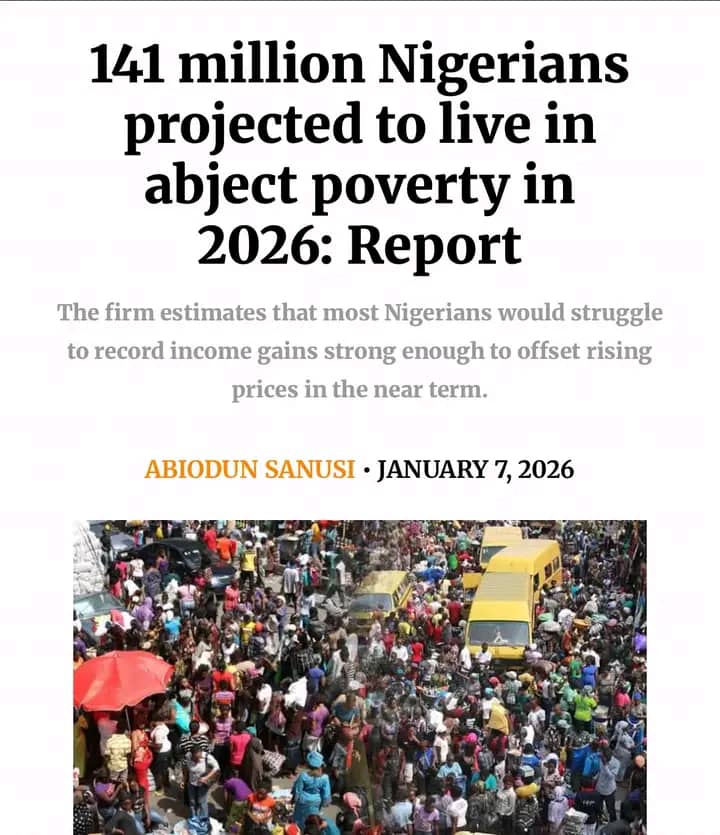
Nigeria’s gross domestic product (GDP) is forecasted to expand by 4.49% in 2026, representing an acceleration from the projected 3.89% growth in 2025. This improvement is attributed to advancements in the non-oil sector and ongoing reforms. 27 Headline inflation is anticipated to decline to 12.94% in 2026, from 14.45% recorded in November 2025, reflecting the impact of monetary policy tightening and exchange rate stabilization. 27 However, poverty rates are expected to escalate to 62%, affecting approximately 141 million Nigerians, due to persistent inflationary pressures and uneven income distribution. 27 The naira is projected to maintain relative stability, trading within the N1,440 to N1,500 per U.S. dollar range, bolstered by Central Bank of Nigeria interventions. 27 Monetary policy may ease gradually, with potential reductions in interest rates from the current 27% level as inflation subsides. 27
Key Trends
The report identifies seven pivotal trends influencing Nigeria’s economic outcomes in 2026. 27 The non-oil sector, encompassing services, information and communication technology (ICT), finance, and construction, contributes 53% to GDP and serves as a primary driver of growth. 27 The digital economy, fueled by fintech innovations and artificial intelligence, is poised to generate up to $18.3 billion in revenue. 27 Nigeria’s population has increased by over 100 million in the last 25 years, creating substantial opportunities for consumption-led expansion. 27 The departure of multinational corporations opens market share prospects for local enterprises. 27 Additionally, the national budget prioritizes infrastructure enhancements in power, transportation, and digital systems to support sustainable development. 27
Risks
Despite positive projections, the outlook highlights five major shocks that could disrupt price stability and economic progress. 27 Food insecurity poses a significant threat, potentially affecting 33.1 million Nigerians amid economic challenges and regional conflicts in key agricultural areas, where food constitutes up to 70% of household expenditure for low-income groups. 27 Volatility in global oil prices, particularly if sustained below the fiscal breakeven of $60 per barrel, may diminish government revenues and exacerbate exchange rate instability. 27 A reversal in exchange rate gains due to deteriorating international financial conditions could prompt capital outflows and currency fluctuations. 27 Geopolitical tensions, including conflicts impacting energy supplies or trade corridors, may import inflationary effects. 27 Finally, escalating fiscal pressures from debt servicing, which accounts for about 50% of projected revenues, could undermine overall macroeconomic equilibrium. 27
Opportunities
The report underscores several avenues for advancement. 27 Capitalizing on the non-oil sector’s dominance and the digital economy’s growth potential can foster innovation and revenue diversification. 27 Demographic shifts provide a foundation for consumption-driven economic activity. 27 The retreat of multinationals enables domestic firms to capture greater market presence. 27 Targeted infrastructure investments, as outlined in the budget, offer pathways to enhance productivity and connectivity. 27
Recommendations
To navigate this environment, PwC advises business leaders to prioritize financial resilience through rigorous cost controls and foreign exchange risk hedging strategies. 27 Investments in technology and digital transformation are recommended to boost productivity. 27 Continuous monitoring of fiscal, monetary, and regulatory changes is essential. 27 Diversification of revenue sources and exploration of regional markets are encouraged. 27 Strengthening risk management frameworks to mitigate geopolitical and local disruptions is critical. 27 Participation in public-private partnerships for infrastructure and workforce development is also highlighted as a strategic imperative. 27