ChatGPT
Scope
To help me dig up the most relevant and detailed information about the Petroleum Trust Fund (PTF) under General Buhari’s leadership, could you please clarify a few points:
1. Are you mainly interested in the identity and structure of the consulting firm Buhari appointed, or also in the broader operational structure of the PTF?
2. Would you like insights into project execution methods, budget handling, or impact metrics as well?
3. Are you also interested in any critiques or investigations into the PTF’s performance or just its success model?
Once I have this, I’ll get started right away.
The report
The Petroleum Trust Fund (PTF) Under Abacha and Buhari
1. Background and Creation of PTF (1994)
- In 1994, General Sani Abacha created the Petroleum (Special) Trust Fund (PTF) to channel proceeds from increased fuel prices into development projects.
- Abacha appointed Major General Muhammadu Buhari as the Executive Chairman, giving him broad autonomy.
- PTF’s mandate covered six key sectors:
a. Roads and transportation
b. Water supply
c. Healthcare
d. Education
e. Food security
f. Other infrastructure (including petroleum depots/pipelines)
2. The “Super-Consultant” – Afri-Projects Consortium (APC)
- Buhari appointed Afri-Projects Consortium (APC) as the sole management consultant of PTF.
- APC was led by Mr. Ahmad Salihijo, a 42-year-old businessman and Buhari’s brother-in-law.
- APC drafted the PTF’s blueprint, criteria for contractor selection, and monitoring systems.
- APC wielded unprecedented powers – from project initiation to contract approval, supervision, and certification.
- APC coordinated a vast network of over 600 subcontracted consultants and contractors across Nigeria.
- Because of this dominance, APC was described as the “super-consultant” of the PTF.
3. PTF Project Management Structure and Operations
- PTF Board of Trustees: Chaired by Buhari, provided top-level oversight.
- Management Consultant (APC): Designed programs, approved budgets, supervised contracts.
- Zonal Project Management Consultants (ZPMCs): One per geopolitical zone, reporting to APC.
- Project Consultants (PCs): Engineers, architects, surveyors supervising individual projects.
- Contractors/Suppliers: Executed works and provided goods, often small Nigerian firms.
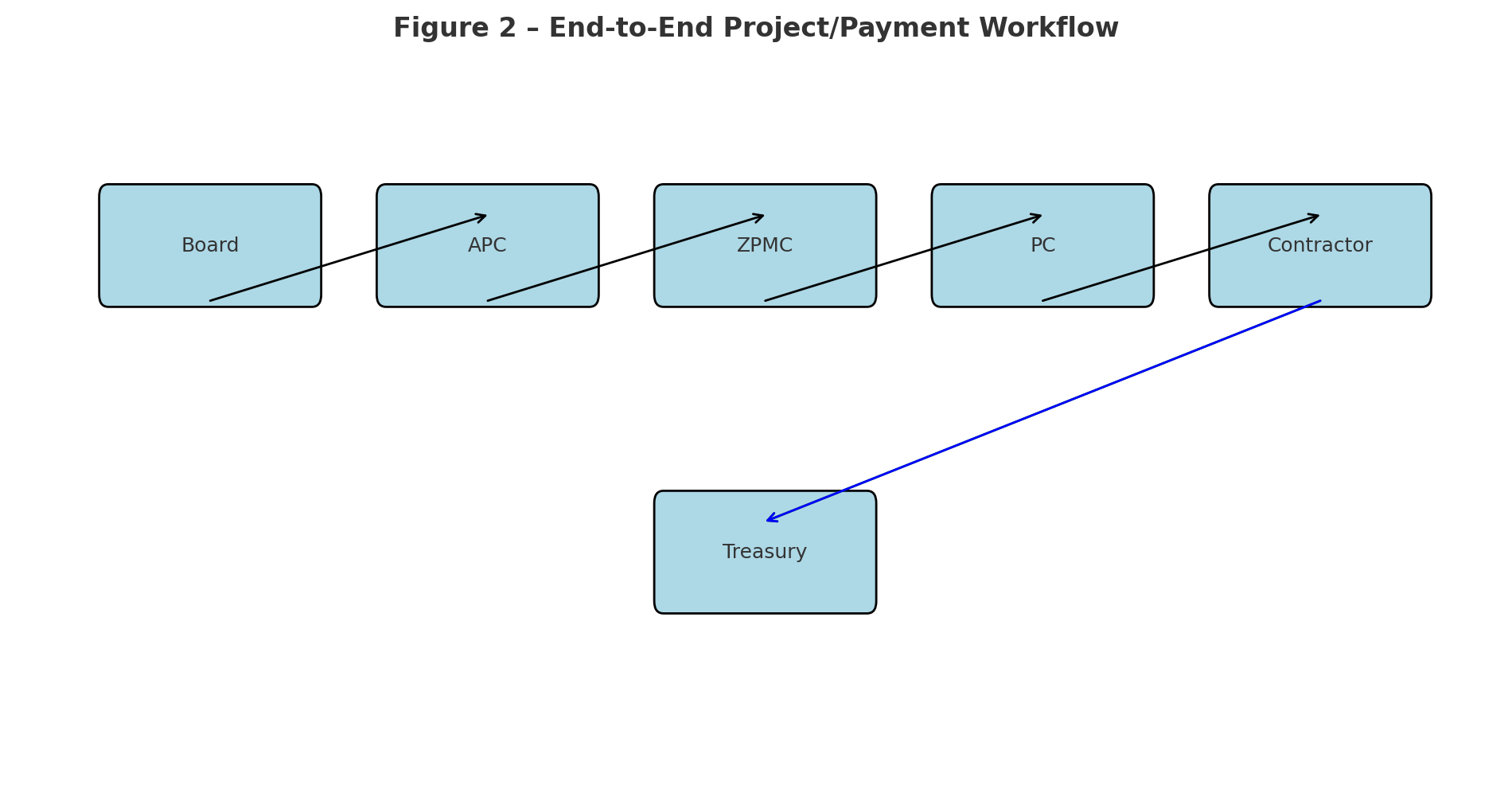
- Workflow: Contractors → PCs → ZPMC → APC → PTF Board (for payments).
4. Achievements and Unprecedented Results
- Roads: About 18,310 km rehabilitated, including major highways.
- Education: Millions of textbooks supplied, classrooms renovated, labs equipped.
- Healthcare: Hospitals received drugs, equipment, ambulances; immunization supported.
- Water Supply: Boreholes and small dams constructed.
- Petroleum Infrastructure: Pipelines and depots extended fuel supply to remote areas.
- Reputation: Widely hailed as a rare success story, delivering visible projects when other agencies failed.
5. Later Findings and Controversies
- Audit by Obasanjo (1999): Dissolved PTF, appointed Interim Management Committee (IMC).
- Financial Mismanagement: ₦25 billion allegedly misused or unaccounted for.
- Overpricing: APC accused of inflating contract costs; e.g. ambulances procured at ₦13m each instead of ₦3m.
- Expired Goods: ₦28b worth of expired HIV test kits and drugs distributed.
- Regional Bias: 76% of roads rehabilitated were in the North; Southern regions got ~24%.
- Oversight Gap: Buhari’s personal integrity intact, but he was faulted for ceding too much unchecked power to APC.
6. Legacy of the PTF Model
-
Strengths:
a. Fast-tracked infrastructure delivery.
b. Circumvented bureaucratic bottlenecks.
c. Visible impact on roads, schools, hospitals, and water supply. -
Weaknesses:
a. Weak accountability.
b. Cost overruns and procurement abuse.
c. Regional inequity in project distribution. -
Lesson: Consultant-led, autonomous agencies can deliver rapid results but require strong checks and balances to prevent abuse.
7. Sources
- New African (1998) reports on PTF successes.
- IMC Audit Report (2000).
- Archival Nigerian press (Tell, The Guardian, Daily Trust).
- Analyses of Afri-Projects Consortium’s role.
Would you like me to also prepare a flow diagram (in code for Discourse, e.g. Mermaid) showing the PTF structure with APC, ZPMCs, PCs, and contractors? That would make the model clearer at a glance.
Illustration
Figure 1 – PTF Organizational Structure (1994–1999)
You can see how Buhari’s PTF Board sat at the top, with Afri-Projects Consortium (APC) as the sole management consultant, and then the layers of zonal consultants, project consultants, and contractors/suppliers.
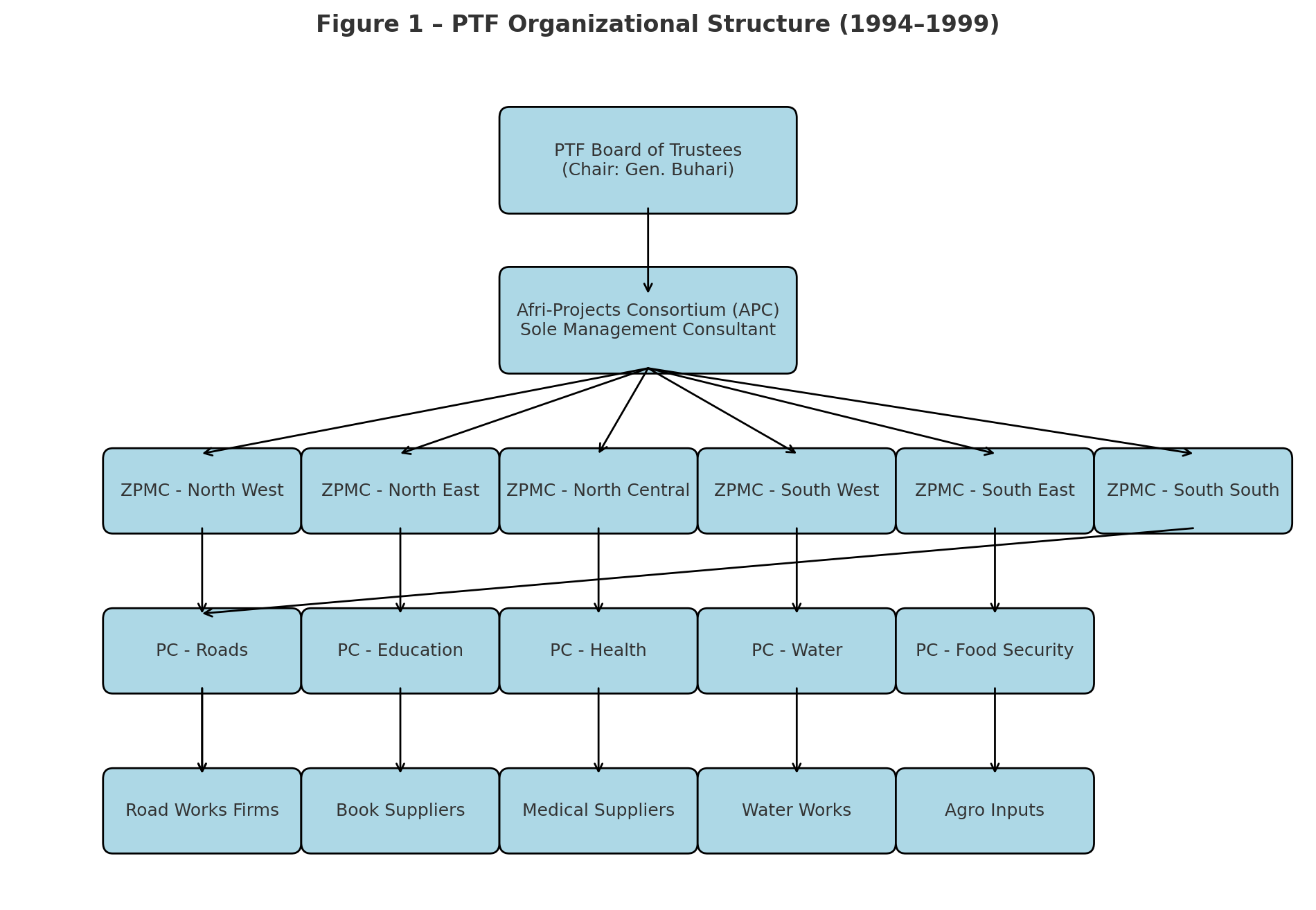
Figure 2 – End-to-End Project/Payment Workflow
This shows the project lifecycle: from policy/funds released by the Board → APC design and budgeting → ZPMCs → Project Consultants → Contractors. Payments flow through Treasury after verification, with feedback loops for variations.